
Recycling deposit bottle caps in Latvia: how it works at SIA Galangal
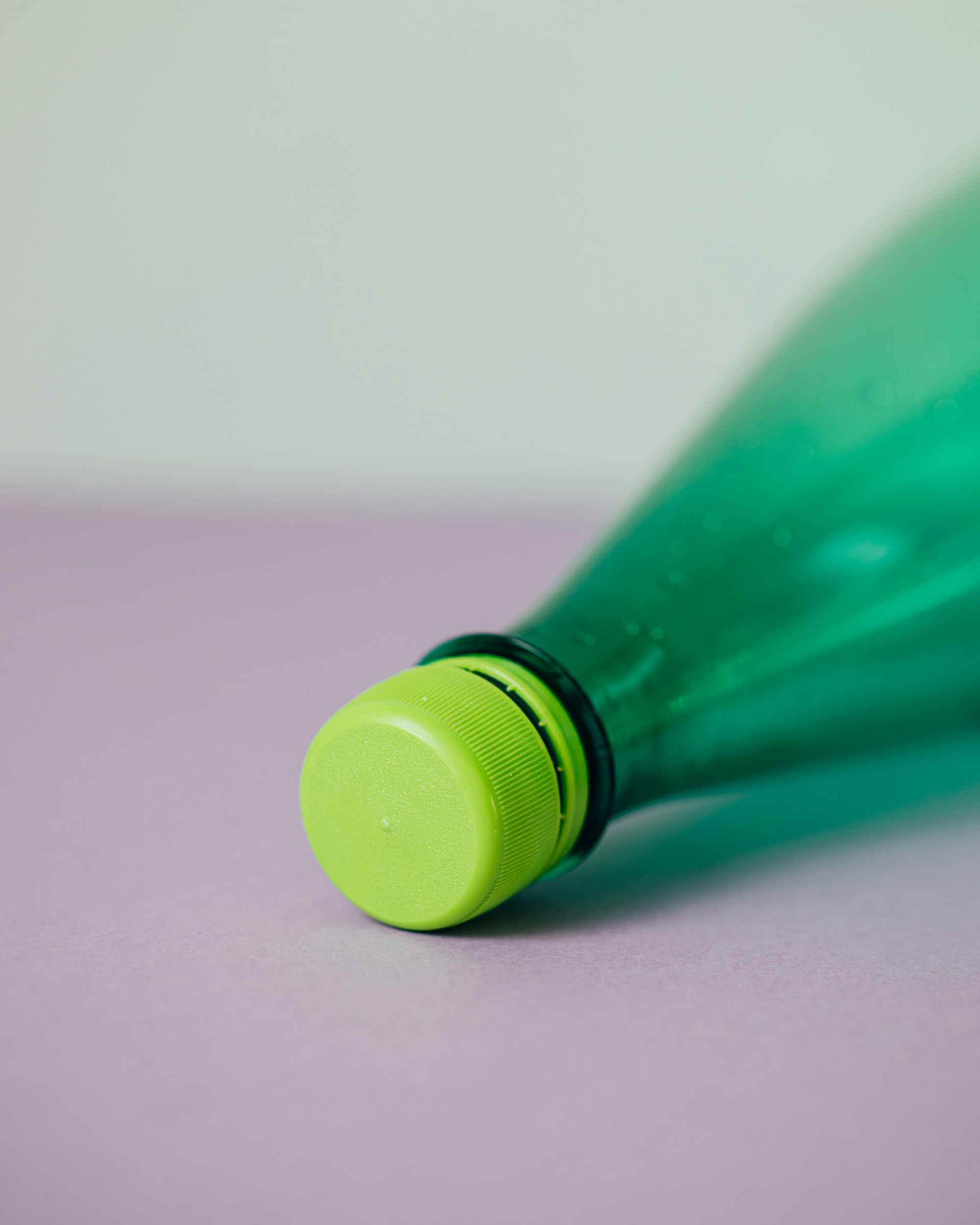
The Latvian deposit system collects bottles and cans, but for full-scale recycling, it is also important to consider caps. They are small, easily end up in the environment, and often get lost outside the proper waste stream. Therefore, separating and preparing caps for recycling is a specialized process, with only a few companies in Latvia doing this — approximately 2, and SIA Galangal is one of them.
Why are caps harder to remove now
If caps have felt "inconvenient" in recent years and often stay attached to the bottle, it is by design. EU requirements mandate that plastic caps and lids must remain attached to beverage containers so that they are collected and recycled along with the packaging, rather than becoming litter on their own.
The practical benefit: caps end up in nature less often and enter the recycling stream more frequently.
What happens in the deposit system before the caps reach Galangal
- A resident returns the packaging at a deposit point (via a machine or manually). The deposit system has been operating in Latvia since February 1, 2022.
- In the deposit processing flow, the cap is mechanically separated from the bottle. At this stage, the cap mass often also contains PET impurities (small pieces of the bottle).
- The caps are collected in bags and, once a sufficient volume has accumulated, they are picked up by truck and transported to SIA Galangal for processing preparation.
The Galangal process: from cap to raw material ready for recycling
Below is the typical processing chain for turning cap mass into clean material suitable for recycling.
1) Shredding (grinding)
The caps are shredded into a uniform fraction that can be effectively processed in the subsequent stages.
2) Washing and mechanical cleaning
The material is washed to remove dirt and reduce impurities. If there are foreign objects in the mass (e.g., pieces of metal), they are separated.
3) Flotation (float–sink) — the main sorting step
Caps and bottles are made of different materials with different densities:
- PET (bottle material) is denser and sinks
- HDPE/PE (cap material) is lighter and floats
Therefore, in the flotation tank, PET impurities are separated from the cap material.
4) Re-washing and drying
After separation, the material is additionally washed and dried to ensure consistent quality for further recycling.
5) Delivery to the factory and processing
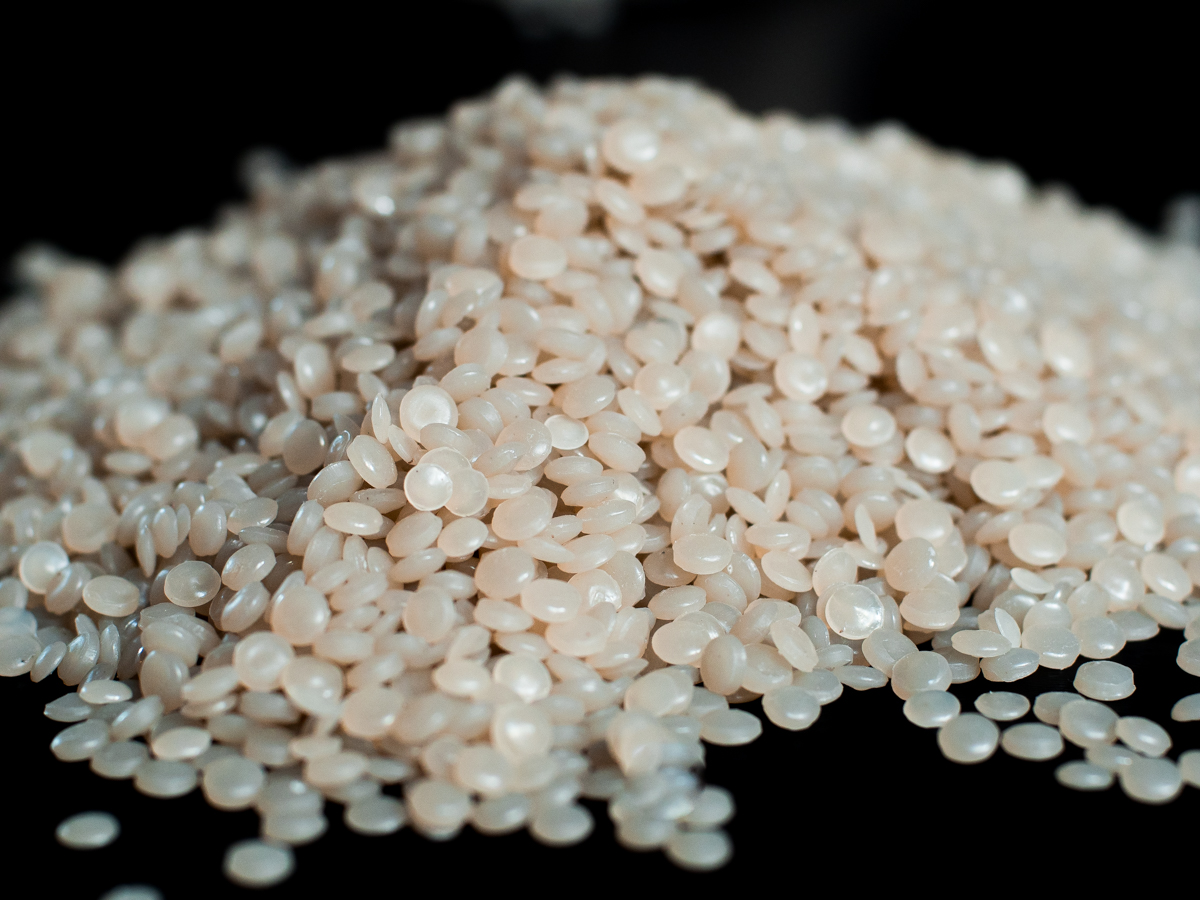
The prepared material is packaged and transported to production, where it is processed into new raw material and used to manufacture new plastic products.
Why this process is important
Circular economy in practice. A cap is not a "trifle" — it is a valuable material that, when properly prepared, returns to production.
Less pollution. Tethered caps and proper processing reduce the risk of them ending up in the environment.
Quality for the market. Manufacturers need predictable raw materials, which is why washing, flotation, and drying are essential.
Summary
SIA Galangal is one of the few companies in Latvia that processes deposit bottle caps for recycling. The process is structured as follows: collection → separation → grinding → washing → flotation → drying → delivery to the factory. The result is a clean, ready-to-recycle raw material that returns to the circular economy.
.png)